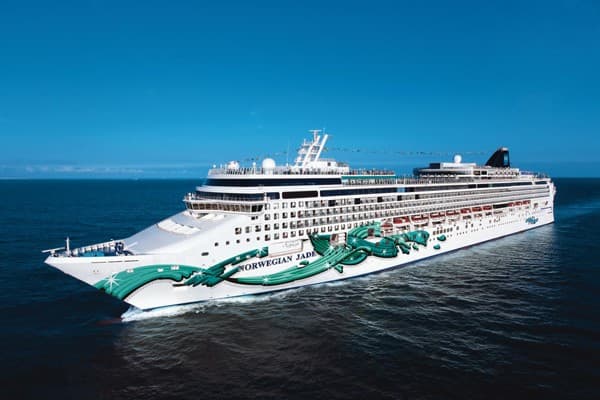
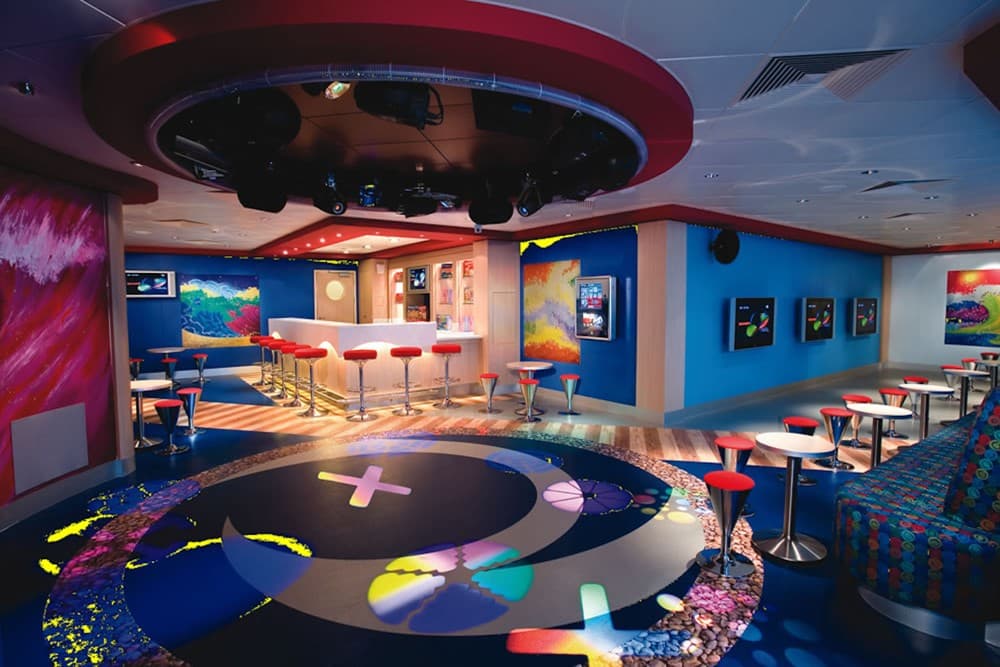
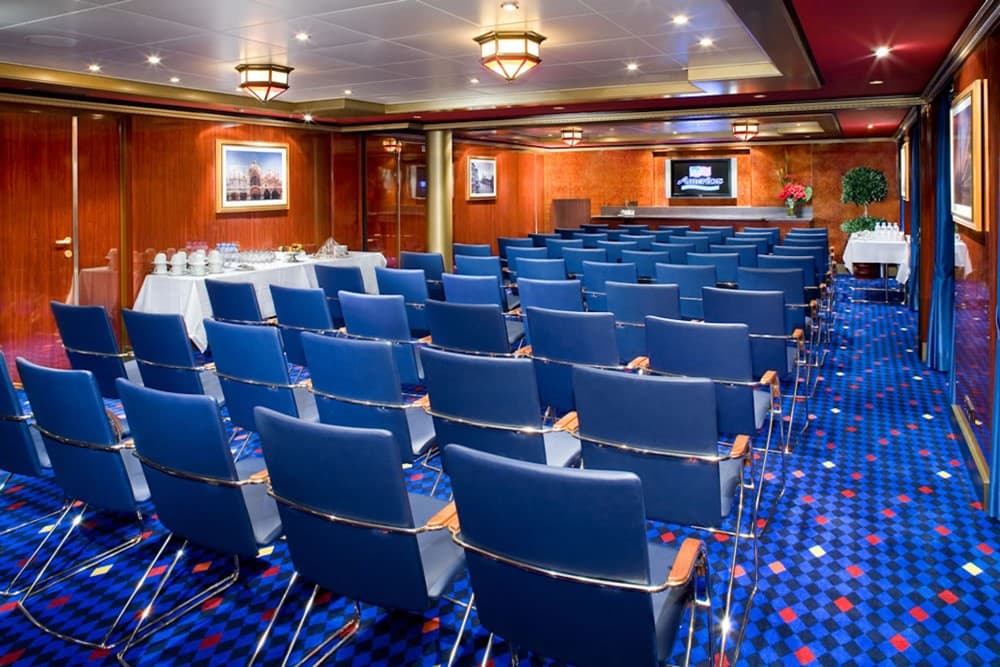
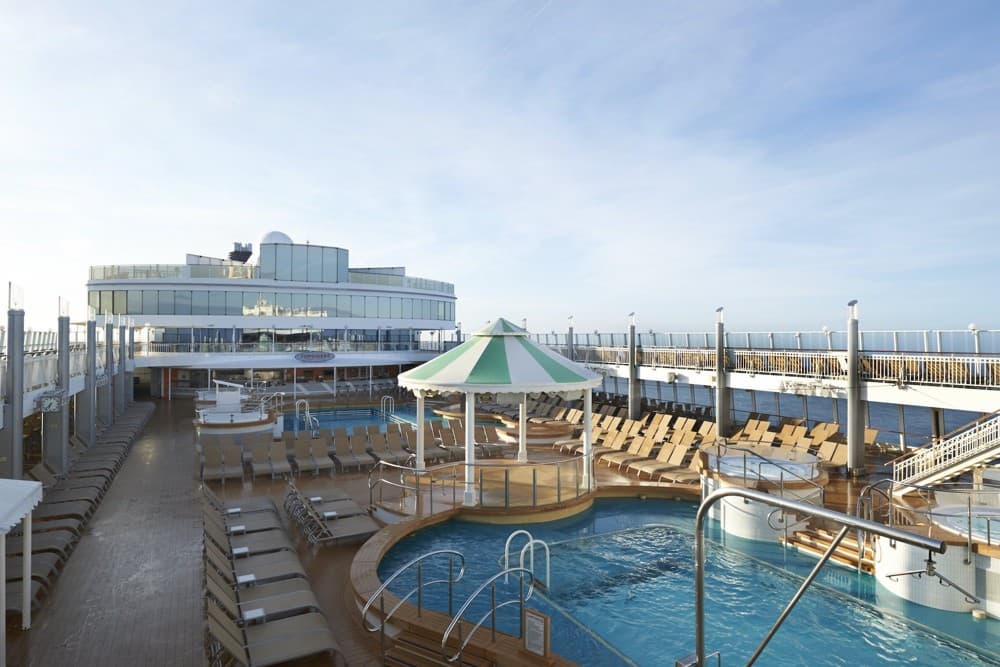
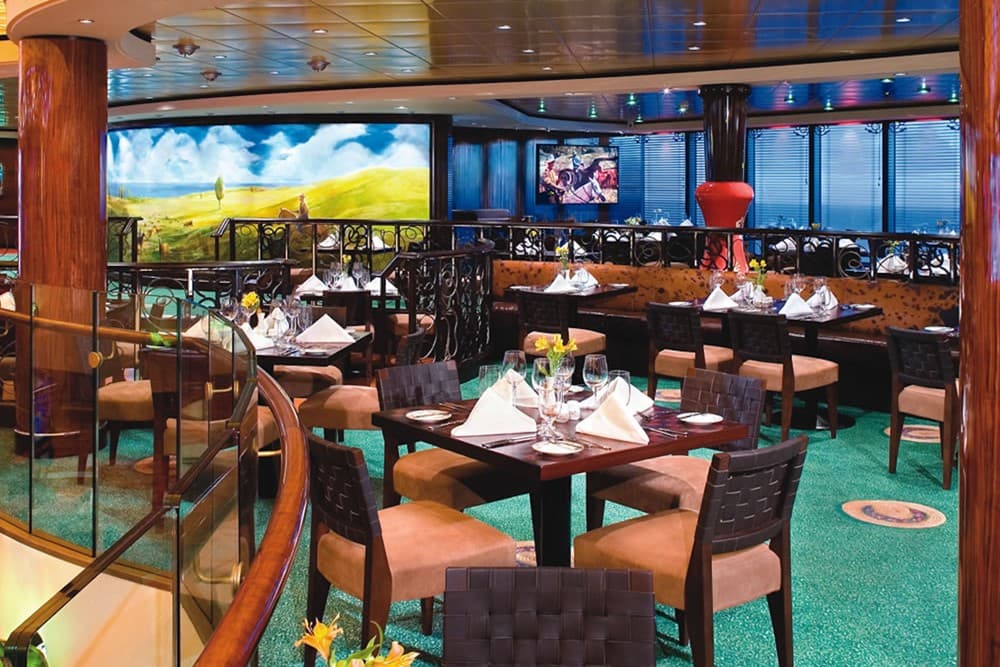
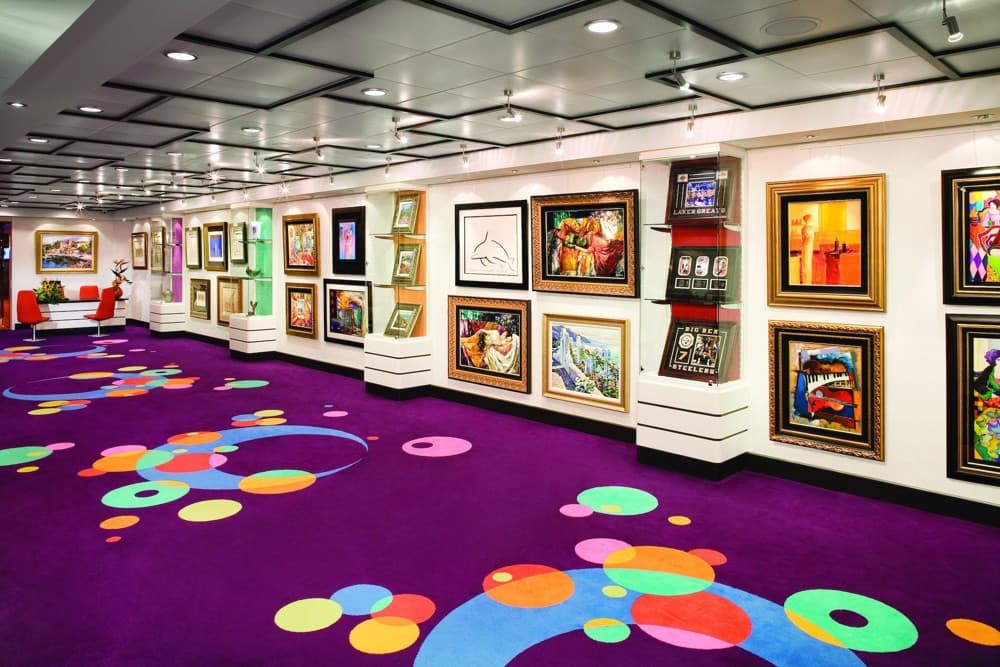
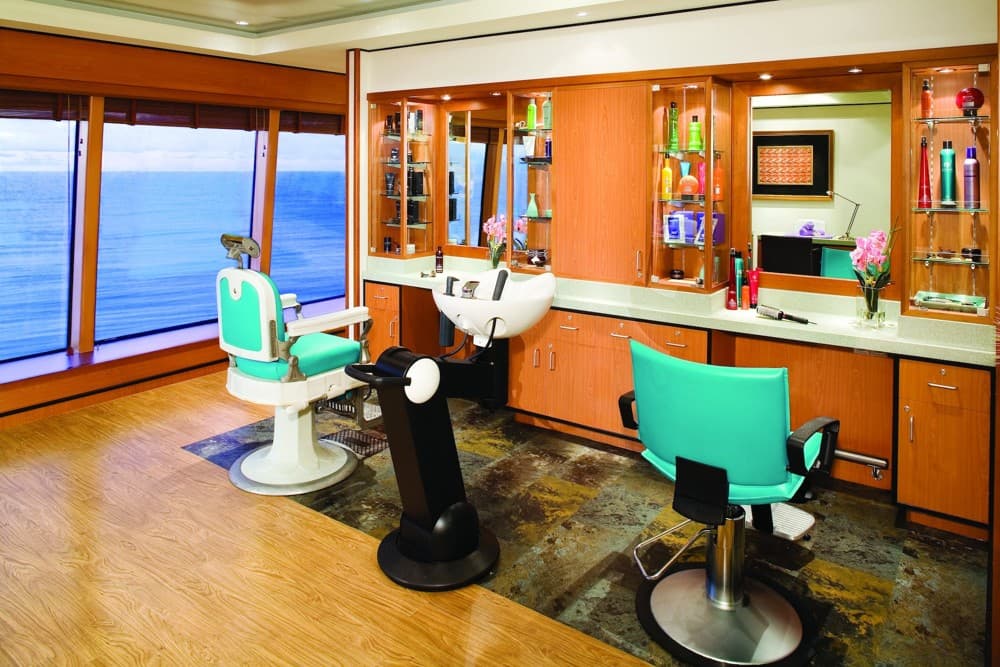
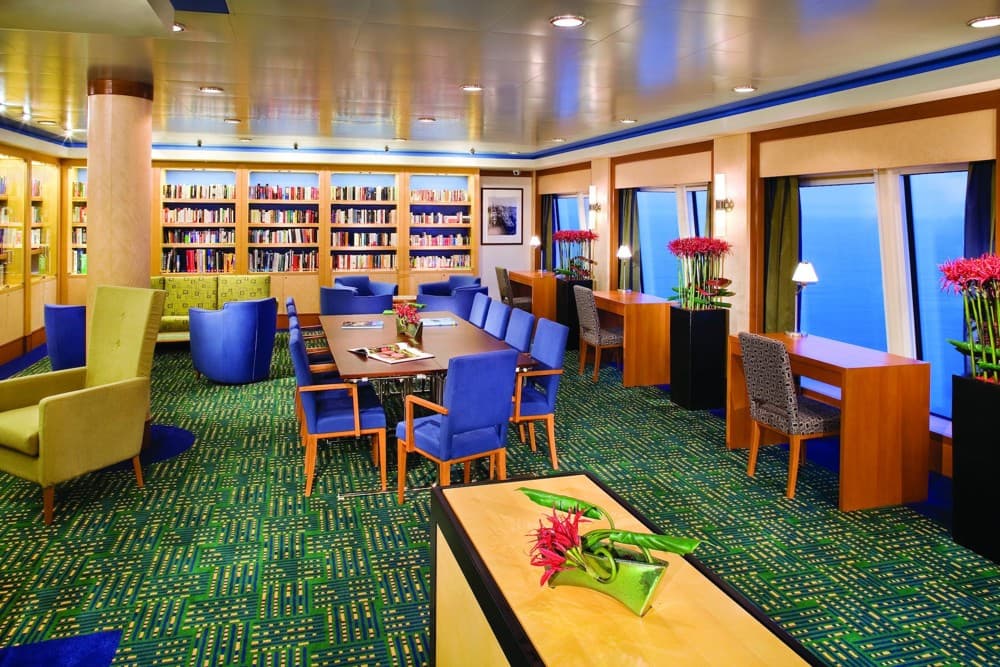
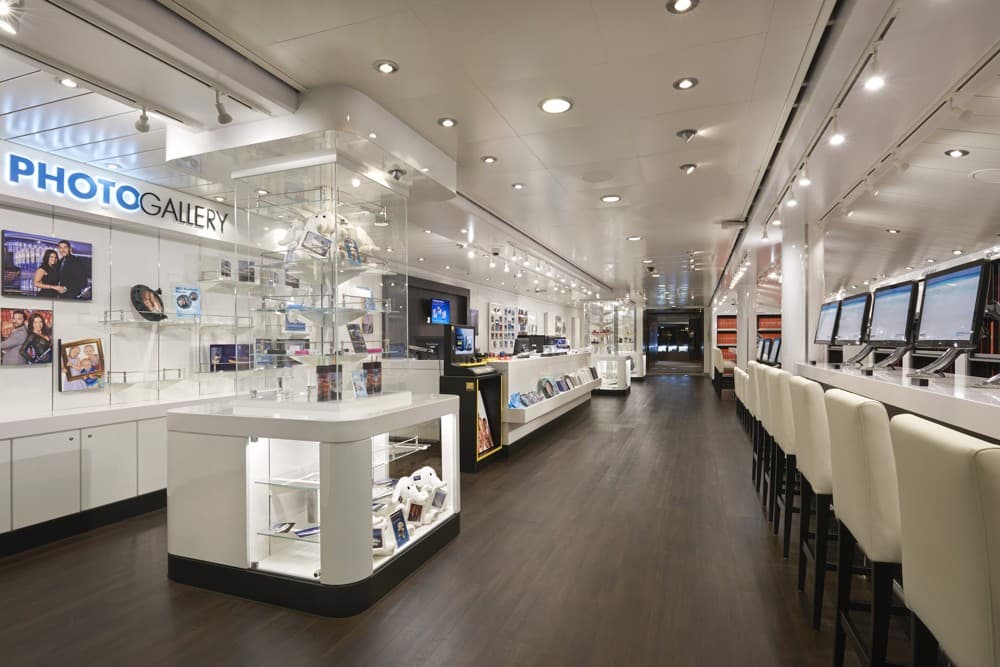
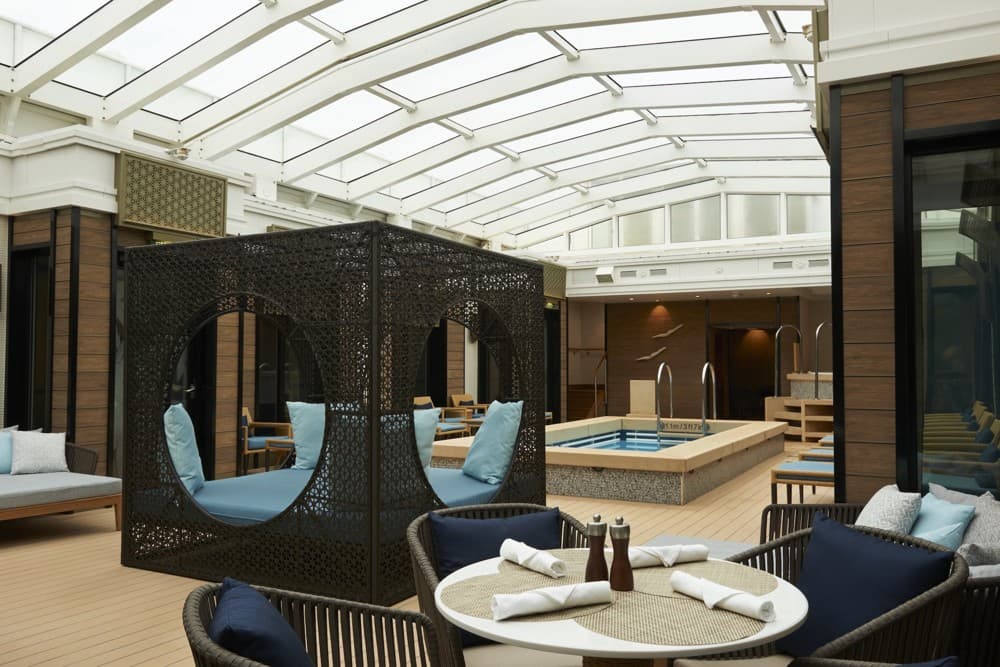
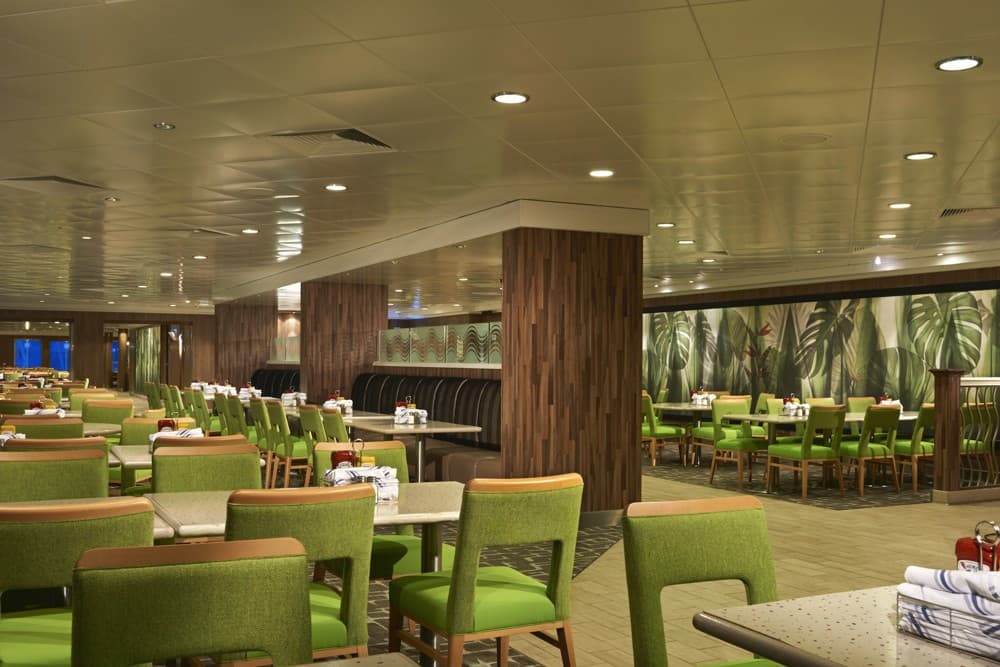
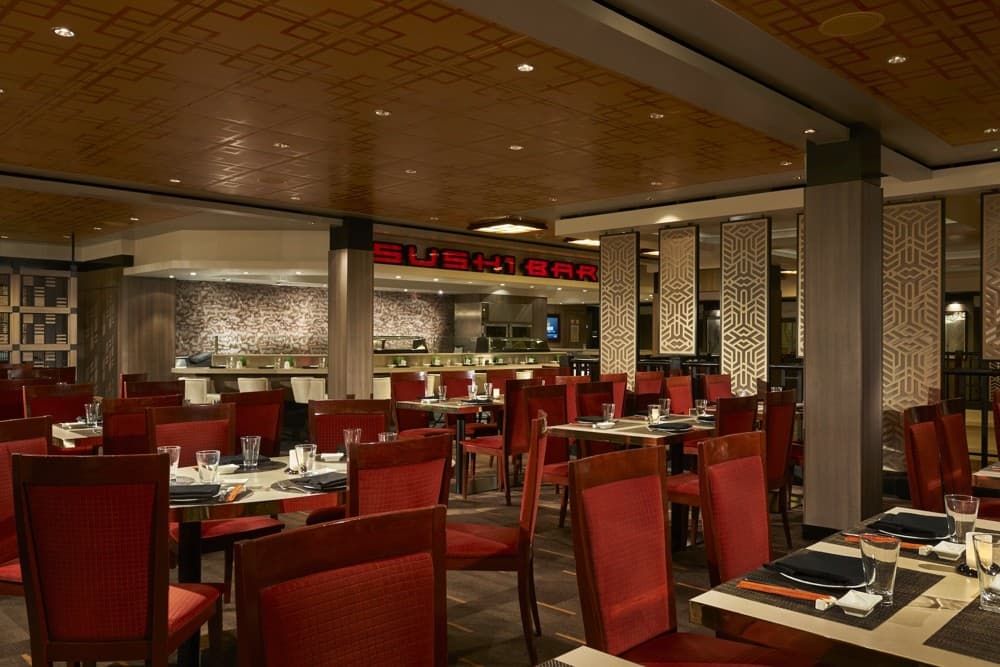
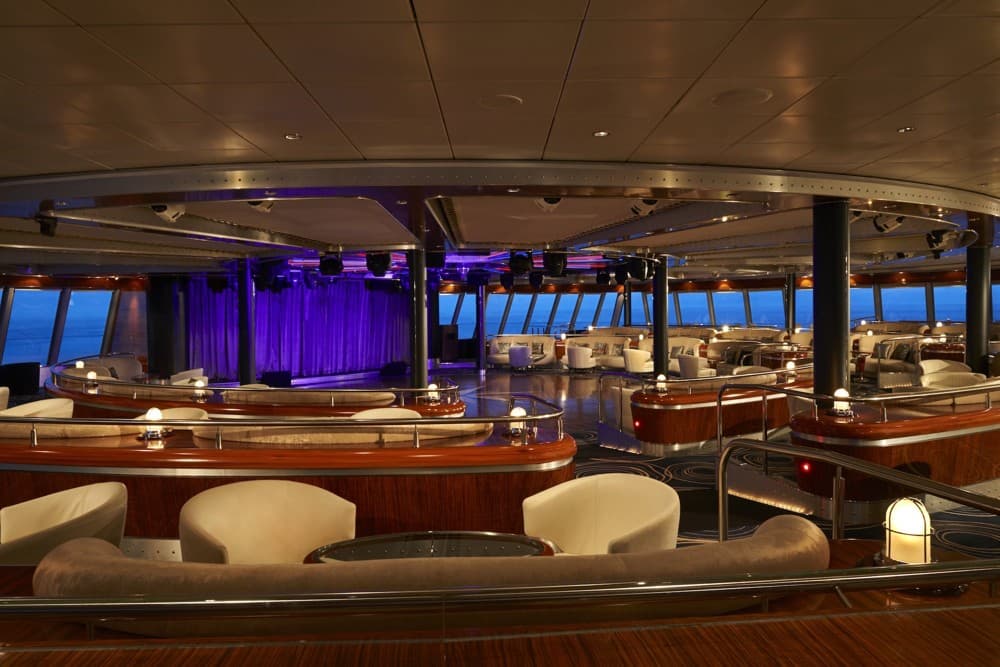
Norwegian Jade has 19 dining options and 13 bars and lounges so you can enjoy a delicious meal or a refreshing drink wherever, whenever and with whomever you want. In addition to the restaurants included in the cruise price, indulge in world cuisine at our specialty restaurants (additional charge). How do you feel like today: Italian, Asian, French or whatever? How about a spectacular Japanese teppanyaki dinner? If this brief description alone has whetted your appetite, we invite you to discover all the restaurant options we put at your disposal! On board you can enjoy brilliant shows, lively bars and discos. In addition, we have different facilities for your enjoyment, from large swimming pools to swimming pools. modern gyms, sports fields, etc. And, of course, all the fun for the little ones, with areas specially designed for them.
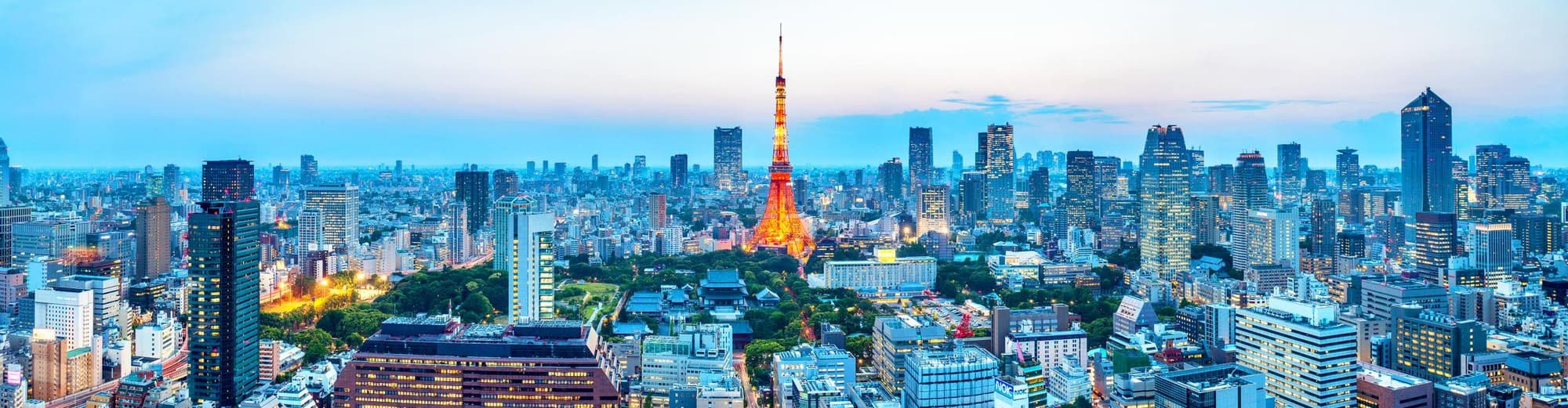
Discover Tokyo, a city like no other, where modern technology, fashion and culture meet centuries of Japanese tradition. It’s a paradise for food lovers, with everything from Michelin-starred restaurants to quirky themed cafés, sushi trains and local street snacks. Stroll through historic temples, explore the vibrant shopping districts of Shibuya, Ginza and Harajuku, or enjoy peaceful moments in serene parks and shrines.
If you visit in spring, don’t miss the magical cherry blossoms along the Meguro River. For breathtaking city views, head to Shibuya Sky, Tokyo Tower or Tokyo Skytree — on a clear day, you might even see Mount Fuji. And when the sun sets, the city comes alive, from intimate cocktail bars to lively karaoke and Shinjuku’s bustling nightlife.
With TUI, we make it easy to plan your stay in Tokyo, with a wide range of hotels to suit every budget or style. And if you want to see more of Japan, we also offer specially designed roundtrips so you can explore beyond the city. Tokyo is the perfect choice for a city weekend or a longer cultural adventure — full of unforgettable experiences waiting for you.
Read more
Read less
1
Day 2
shimizu
Arrival: 07:00
-
Departure: 15:00
Mishima is a city located in the east of Shizuoka Prefecture, at the base of the Izu Peninsula and at the foot of Mount Fuji in Japan. The city offers a wide variety of sights and activities. If there is one thing that characterises Mishima, it is its parks, most notably Mishima Rakujuen Park, Kakita River Park and Suehirosan Park. Mishima is also home to a number of cultural attractions such as the Taisha Temple of Mishima, the ruins of Yamanaka Castle and Madoromi Shrine.
Read more
Read less
2
Day 3
osaka, japan
Arrival: 09:00
-
Departure: 20:00
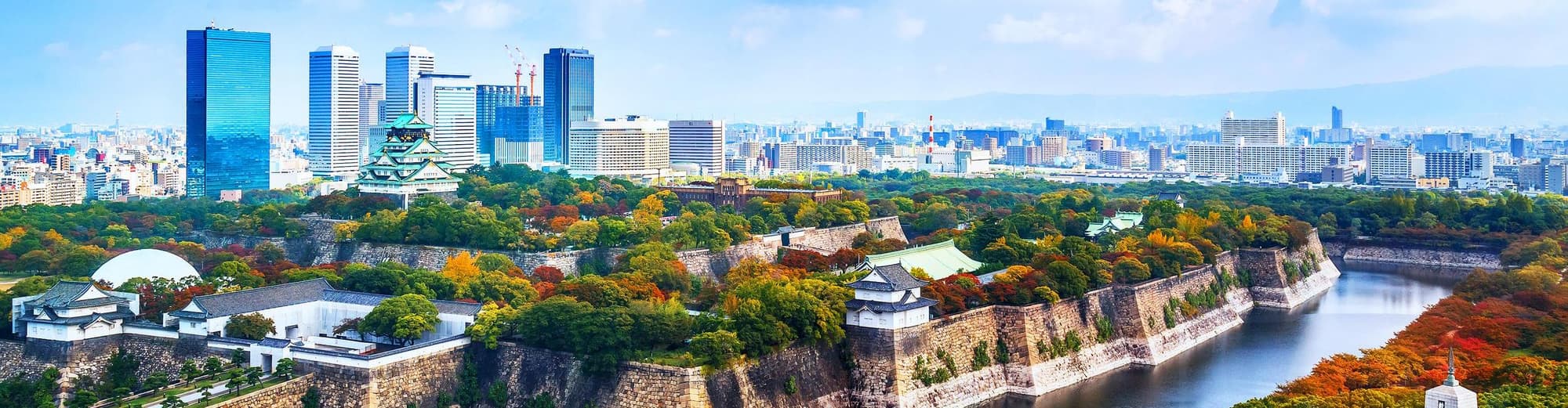
Osaka is a big modern city in Japan. It is the central metropolis of the Kansai region and the largest of the Osaka-Kobe-Kyoto trio. It is a lively and exciting place that exudes a definite charm. Its history is rich, its scenery is gorgeous, and it's well-located close to the major cultural centers of Kyoto and Nara, and just a few hours by bullet train to Tokyo.
Osaka has two major city centers, Kita, north side, and Minami, south side. Kita is a large shopping and business area, Minami is Osaka's most famous entertainment district. Osaka’s major attractions are the impressive, beautifully restored, castle and the truly wonderful aquarium. Osaka has some striking modern architecture, a vibrant nightlife scene and tasty local cuisine. To experience the city’s nightlife head to bustling Dōtonbori, a street jammed with restaurants and bars.
There are also some beautiful places to visit just outside of the city. Minoo is a suburb of Osaka which offers pleasant woodland, an impressive waterfall, hiking opportunities and a relaxing spa.
Osaka combines historical, cultural and artistic attractions with all the delights of a modern Japanese metropolis. Japan's third-largest city offers an exciting atmosphere, with fantastic connections to some of the most historic cities in Japan.
Read more
Read less
3
Day 4
kochi - japan
Arrival: 07:00
-
Departure: 16:00
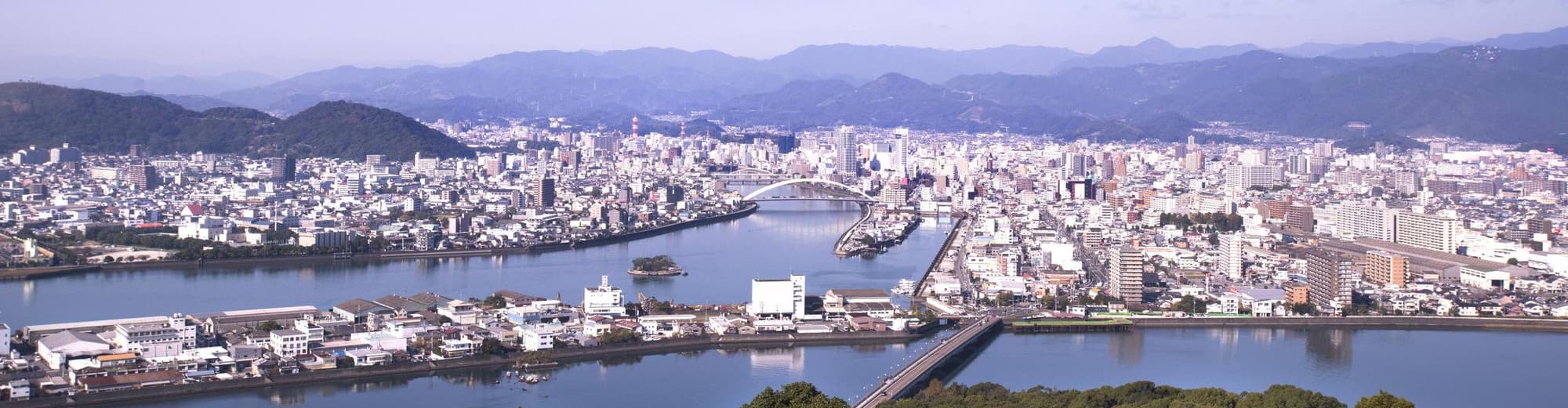
Kōchi is the capital city of Kōchi Prefecture located on the island of Shikoku in Japan.
Kōchi is the main city of the prefecture with over 40% of its population.
A symbol of the city is its most famous dish, katsuo tataki, made by lightly searing and seasoning tuna.
Read more
Read less
4
Day 5
hiroshima, japan
Arrival: 07:00
-
Departure: 16:00
Hiroshima is an industrial city of wide boulevards and cross-crossing rivers, located along the coast of the Seto Inland Sea. Although many only know it for the horrific split second on August 6, 1945, when it became the site of the world's first atomic bomb attack, it is now a modern, cosmopolitan city with excellent cuisine and a bustling nightlife.
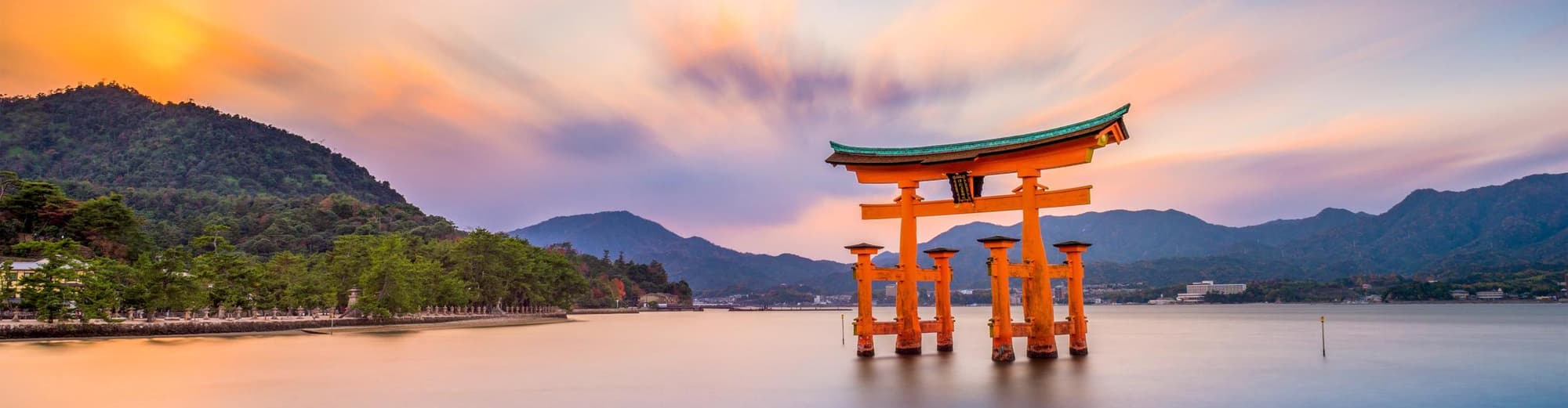
There are two World Heritage Sites in Hiroshima. One is Itsukushima Shrine and the other is the A-Bomb Dome of the Hiroshima Peace Memorial.
There are several historical places in Hiroshima. The Hiroshima castle stands in the center of Hiroshima-city. You can see the old town which was formed in Edo era at Tomonoura in Fukuyama-city and in Takehara-city, but in Hiroshima-city there are few old buildings as lots of buildings were destroyed by the atomic bomb. But some are still showing their toughness – for example, the Old Bank of Japan Hiroshima Branch, the Rest House and so on. Around the peace memorial park, you can see many kinds of statues for praying the victims of the atomic bomb. The whole of Hiroshima can be a textbook of Hiroshima’s history.
Read more
Read less
5
Day 7
Naha
Arrival: 07:00
-
Departure: 15:00
Naha is the capital city of Okinawa Prefecture, Japan. Naha is a city on the East China Sea coast of the southern part of Okinawa Island, the largest of Okinawa Prefecture. Naha is the political, economic and education center of Okinawa.
MAIN TOURIST ATTRACTIONS
• huri Castle. This castle is the former seat of the Ryukyu Kingdom, built in the Okinawan
• The town of Itoman lies south and southeast of Naha.
• Himeyuri Peace Museum.
• Okinawa Peace Park. This park has a beautiful view overlooking the ocean, and features several open-air memorials including theC ornerstone of Peace
• Okinawa Prefectural Peace Memorial Museum.
• Okinawa Peace Memorial Hall.
• Okinawa World.
Read more
Read less
6
Day 8
taipei(keelung),taiwan,china
Arrival: 09:00
-
Departure: 19:00
Keelung, officially known as Keelung City, is a major port city situated in the northeastern part of Taiwan. It borders New Taipei with which it forms the Taipei–Keelung metropolitan area, along with Taipei itself. Nicknamed the Rainy Port for its frequent rain and maritime role, the city is Taiwan's second largest seaport (after Kaohsiung).
Keelung has a humid subtropical climate. It has long been noted as one of the wettest and gloomiest cities in the world; the effect is related to the Kuroshio Current.
Although it is one of the coolest cities of Taiwan, winters are still short and warm, whilst summers are long, relatively dry and hot.
One of the most popular festivals in Taiwan is the mid-summer Ghost Festival. The Keelung Ghost Festival is among the oldest in Taiwan, dating back to 1851 after bitter clashes between rival clans, which claimed many lives before mediators stepped in.
Read more
Read less
7
Day 10
hong kong, china
Arrival: 11:00
-
Departure: 23:59
According to the report of Hong Kong archaeological society, there were people settled in Tsuen Wan as early as two thousand years ago. In earlier days, it was known as Tsin Wan (淺灣) which means shallow bay, and later renamed to Tsuen Wan. Another name Tsak Wan (賊灣, Hakka dialect pronunciation: tshet wan), pirate bay, indicates the presence of pirates nearby long ago. In fact, the area around Rambler Channel was known as Sam Pak Tsin (三百錢), literally meaning three hundred coins. There was a legend that pirates would collect three hundred coins should one pass through the area.
In 1911, there were approximately 3000 villagers living in Tsuen Wan. In the 20th century, factories moved in gradually due to its proximity to Kowloon. With the construction of Castle Peak Road in 1917, motor vehicles could reach the town in addition to access on foot and by boat. Regular bus services did not begin until 1933. Early industries relied on the ample local water supply to make incense sticks, preserved fruit and farming, while post-war industries included metalwares and textiles.
Read more
Read less
Day 11
hong kong, china
Arrival: 07:00
According to the report of Hong Kong archaeological society, there were people settled in Tsuen Wan as early as two thousand years ago. In earlier days, it was known as Tsin Wan (淺灣) which means shallow bay, and later renamed to Tsuen Wan. Another name Tsak Wan (賊灣, Hakka dialect pronunciation: tshet wan), pirate bay, indicates the presence of pirates nearby long ago. In fact, the area around Rambler Channel was known as Sam Pak Tsin (三百錢), literally meaning three hundred coins. There was a legend that pirates would collect three hundred coins should one pass through the area.
In 1911, there were approximately 3000 villagers living in Tsuen Wan. In the 20th century, factories moved in gradually due to its proximity to Kowloon. With the construction of Castle Peak Road in 1917, motor vehicles could reach the town in addition to access on foot and by boat. Regular bus services did not begin until 1933. Early industries relied on the ample local water supply to make incense sticks, preserved fruit and farming, while post-war industries included metalwares and textiles.
NOTE: If you are interested in more than one cabin, you must do as many bookings as the number of cabins you want . * In case of having received any type of promotion or advantage for Newlyweds Travel, an official document will be required that proves the recent marriage of the couple.
Categories of Norwegian Jade
Balcony
Inside
Outside
Suite
Image is representative only; size, layout and furnishings may vary (within the same stateroom category).